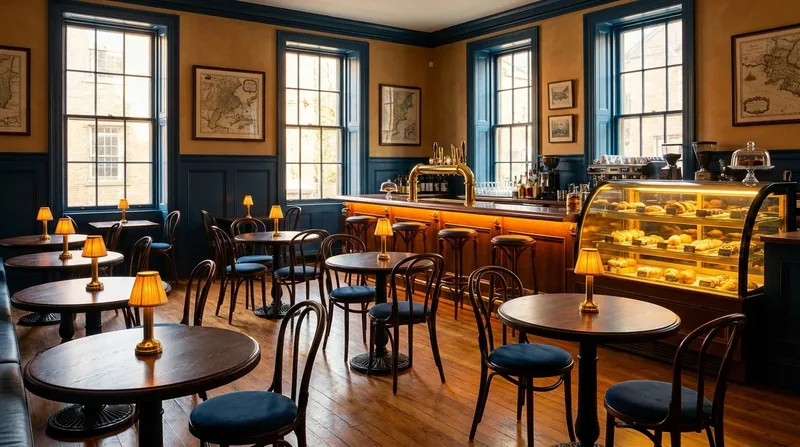
How to Start a Restaurant in Indiana: Health Permit, RRMC and Liquor Options
How to Start a Restaurant in Indiana: Health Permit, RRMC and Liquor Options
Indiana does not issue one restaurant license. Opening a restaurant here means collecting several separate approvals from different agencies: a retail food establishment permit from your county or city health department, a Registered Retail Merchant Certificate (RRMC) from the Indiana Department of Revenue, local zoning and building approvals, and, if you plan to serve beer, wine or liquor, a permit from the Indiana Alcohol and Tobacco Commission (ATC). This guide puts those approvals in the order that keeps the long lead times from delaying your opening date.
This content is informational, not legal or tax advice. Ask a qualified attorney about your lease, entity choice and liability, and a CPA about tax treatment. The agency pages linked below control any requirement that has changed since this was written.
What You Need Before You Start
Most applications ask for the same core information. Gather these items first so you do not have to restart a form partway through.
- A business name you have checked against the Secretary of State's records using the Public Business Search.
- Formation documents if you form an LLC or corporation: Articles of Organization (State Form 49459) or Articles of Incorporation (State Form 4159).
- A registered agent with a street address in Indiana.
- A federal Employer Identification Number (EIN) from the IRS.
- The street address of the location, a signed lease or letter of intent, and the zoning classification of the property.
- A scaled floor plan showing the kitchen, prep and storage areas, dish area, restrooms and seating.
- Equipment specification sheets for sinks, refrigeration, cooking and ventilation.
- A draft menu that identifies which items you will prepare on site.
- A budget that includes every fee in this guide, plus the local health department fee, which you must confirm with that office.
Step 1: Form Your Business and Reserve the Name
Your entity determines who signs the permits and which tax returns you file, so settle it first. These are the state figures to budget:
- Articles of Organization for a domestic LLC: $95, filed online through INBiz in a single session. The state publishes no processing-time standard for formations and offers no expedited option.
- Name reservation: $10, which holds the name for 120 days while you finish paperwork.
- Business Entity Report: $32, due every other year. The first report is due two years after formation.
- Assumed business name (DBA): $20 per name filed online through INBiz for an entity already registered with the state.
An LLC name must include Limited Liability Company or an abbreviation of it. Adding Inc., LLC or LLP, the words the, a or an, or changing punctuation or capitalization does not make a name distinguishable from one already on record, so a near-match can be refused. Your registered agent must have a street address in Indiana. A P.O. Box is not enough unless it includes a rural route reference, and the business cannot act as its own registered agent.
Indiana has no franchise tax. An LLC's income passes through to its owners, who pay the 2.95% individual adjusted gross income tax for 2026 plus county local income tax. An LLC that elects corporate treatment pays the 4.9% corporate adjusted gross income tax instead. A sole proprietor who operates under a different name records that name with the recorder of the county where the restaurant is located, and recorder fees are set by each county.
Step 2: Register for the Registered Retail Merchant Certificate
If your restaurant sells taxable food and beverages, you need a Registered Retail Merchant Certificate from the Indiana Department of Revenue. The fee is $25 through INBiz. The certificate authorizes you to collect Indiana's 7% state sales tax from customers and remit it on schedule. Register through the Department of Revenue's business registration page before your first taxable sale, not after opening week.
Many Indiana counties also levy a local food and beverage tax on restaurant sales, and the Department of Revenue publishes the rates in a table. Examples in that table include Allen at 1%, Vigo at 1%, Hamilton at 1% and Marion at 2%. Clark and Floyd have none. Some municipalities add their own tax, so look up your exact address rather than relying on the county name. Confirm the rate with the Department of Revenue before you set menu prices or configure your point-of-sale tax settings, because rates can change.
Step 3: Clear Zoning and Local Building Approvals
Indiana does not have one comprehensive business license. The state's Business Owner's Guide says so directly, which means your city or county controls most of the approvals tied to the building. Before you sign a lease, ask the planning and zoning office whether a restaurant is allowed at that address, what the parking and occupancy rules are, and whether a sign, awning or outdoor seating needs its own permit. Build-out work such as plumbing, electrical and mechanical changes typically runs through the local building department. If anyone in your business needs a profession-specific license, check with the Indiana Professional Licensing Agency before you hire for that role.
Step 4: Apply for the Retail Food Establishment Permit
Indiana's sanitation requirements for retail food establishments are in 410 IAC 7-26, Retail Food Establishment Sanitation Requirements. The Indiana Department of Health adopted the rule, and it was promulgated April 16, 2025. It repealed 410 IAC 7-24, so any guide, checklist or inspection form that still cites 7-24 is out of date. Design your kitchen layout, food handling procedures and staff training against 7-26.
Your retail food establishment permit comes from the county or city health department where the restaurant is located, not from the state. Permit fees vary by local health department, and this guide did not verify any local fee, so get the current fee schedule from the office that covers your address. When you contact that office, ask:
- Does the department require plan review before build-out begins, and what does a submission include?
- What food safety training or certification must your managers hold, and how many people on each shift must hold it?
- How are pre-opening and routine inspections scheduled, and what do inspectors focus on during the first visit?
- Which additional permits or forms apply if you later add catering, off-site events or a bar?
Step 5: Plan the Alcohol Permit Early
If you want to sell beer, wine or liquor, you need a permit from the Indiana Alcohol and Tobacco Commission. This is the approval most likely to change your timeline, so start it as soon as you have a specific address.
Retailer permits are limited by population-based quotas set under IC 7.1-3-22, so whether a permit is available depends on where your location sits. If the quota is full in your area, you have two routes:
- Bid in an ATC permit auction, if the commission holds one for that area.
- Buy an existing permit from a current holder, which means finding a seller willing to transfer one.
New retailer permits also go before your county's local alcoholic beverage board. The board holds a hearing and votes on the application, so plan to attend or send a representative. ATC guidance states that a restaurant permit holder must provide food, without lodging, for at least 25 people, so confirm that your kitchen and menu can meet that standard before you file. The ATC says the process can take 60 to 90 days, which is a good reason to file before you commit to a final opening date.
Step 6: Sequence the Approvals and Open
Run the approvals in this order to avoid rework: entity and name, then EIN and RRMC, then zoning confirmation, then health department plan review, then the ATC application (which depends on your location), and finally build-out and opening inspection. Do not sign a long lease until zoning and the alcohol quota for that address are confirmed, because those answers can limit what you can build and sell.
Permit and Fee Summary
| Approval | Agency | Cost or timing in this guide |
|---|---|---|
| Articles of Organization (LLC) | Indiana Secretary of State via INBiz | $95; no published processing time; no expedite option |
| Name reservation | Indiana Secretary of State via INBiz | $10 for 120 days |
| Business Entity Report | Indiana Secretary of State | $32, every other year; first due two years after formation |
| Registered Retail Merchant Certificate | Indiana Department of Revenue via INBiz | $25 |
| Local food and beverage tax | Indiana Department of Revenue rate table | Varies by county and municipality; confirm your address |
| Retail food establishment permit | County or city health department | Varies by local health department; confirm with that office |
| Alcohol retailer permit | Indiana Alcohol and Tobacco Commission and local alcoholic beverage board | Depends on quota; auction or purchase if full; ATC says 60 to 90 days; confirm the fee with ATC |
Tips and Common Mistakes
- Signing a lease before checking the alcohol quota. A location that cannot obtain a retailer permit may limit the drink sales you planned.
- Citing 410 IAC 7-24. The current rule is 410 IAC 7-26. Use that citation in your plans and staff training.
- Using a fee from a neighboring county. Health permit fees are set locally, so each address has its own number.
- Assuming the local food and beverage tax is countywide. Municipal add-ons exist, so check the exact address.
- Choosing a near-match name. Adding LLC, changing capitalization or adding the word the does not make a name distinguishable.
- Using a P.O. Box as the registered office. You need a street address.
- Making taxable sales before the RRMC is in place. Register first so you collect and remit sales tax correctly from day one.
- Finalizing the build-out before asking about plan review. Confirm the health department's requirements before construction, not after.
What to Expect When You Finish
When every approval is in hand, you can generally open to the public. The actual date depends on the local health inspection, the ATC timeline and your build-out schedule rather than on any single agency. Expect the alcohol permit to be the longest item, and build your opening date around it.
A realistic result is a restaurant with the right entity registration, sales tax collection, food service approvals and a written record of which permits you hold and which ones need renewal. Nothing in this guide promises a specific approval date, sales level or outcome. Treat the figures here as starting points, and confirm each one on the agency page before you pay or sign.
Official Resources
- Indiana Secretary of State, Business Services Division: in.gov/sos/business
- INBiz online filing: inbiz.in.gov
- Indiana Department of Revenue: in.gov/dor
- Indiana Small Business Development Center: isbdc.org
- SBA Indiana district office: sba.gov/district/indiana
This article is informational only and is not legal or tax advice. Speak with a qualified attorney about your lease, liability and licensing questions, and with a CPA about your tax treatment.
Keep exploring: related Indiana guides
- How to Start a Food Truck in Indianapolis
- How to Start a Bakery Business in Indiana
- How to Start a Food Truck Business in Indiana
- How to Start a Bar or Tavern in Indiana
- Indiana Food Truck License
- Indiana Liquor License and Alcohol Permits
- How to Start an LLC in Indiana
- Indiana Business License
- How Much Does It Cost to Start a Business in Indiana
- All Indiana business types
- Every Indiana guide in one place